FHA (Federal Housing Administration) loans are government-backed mortgages popular with first-time buyers because they allow low down payments (as little as 3.5%) and more flexible credit requirements. But FHA has strict property condition requirements. The home must be safe, secure, and structurally sound. No major issues like peeling paint, broken windows, roof leaks, plumbing problems, or safety hazards.
>If a property is not FHA approved, it means:
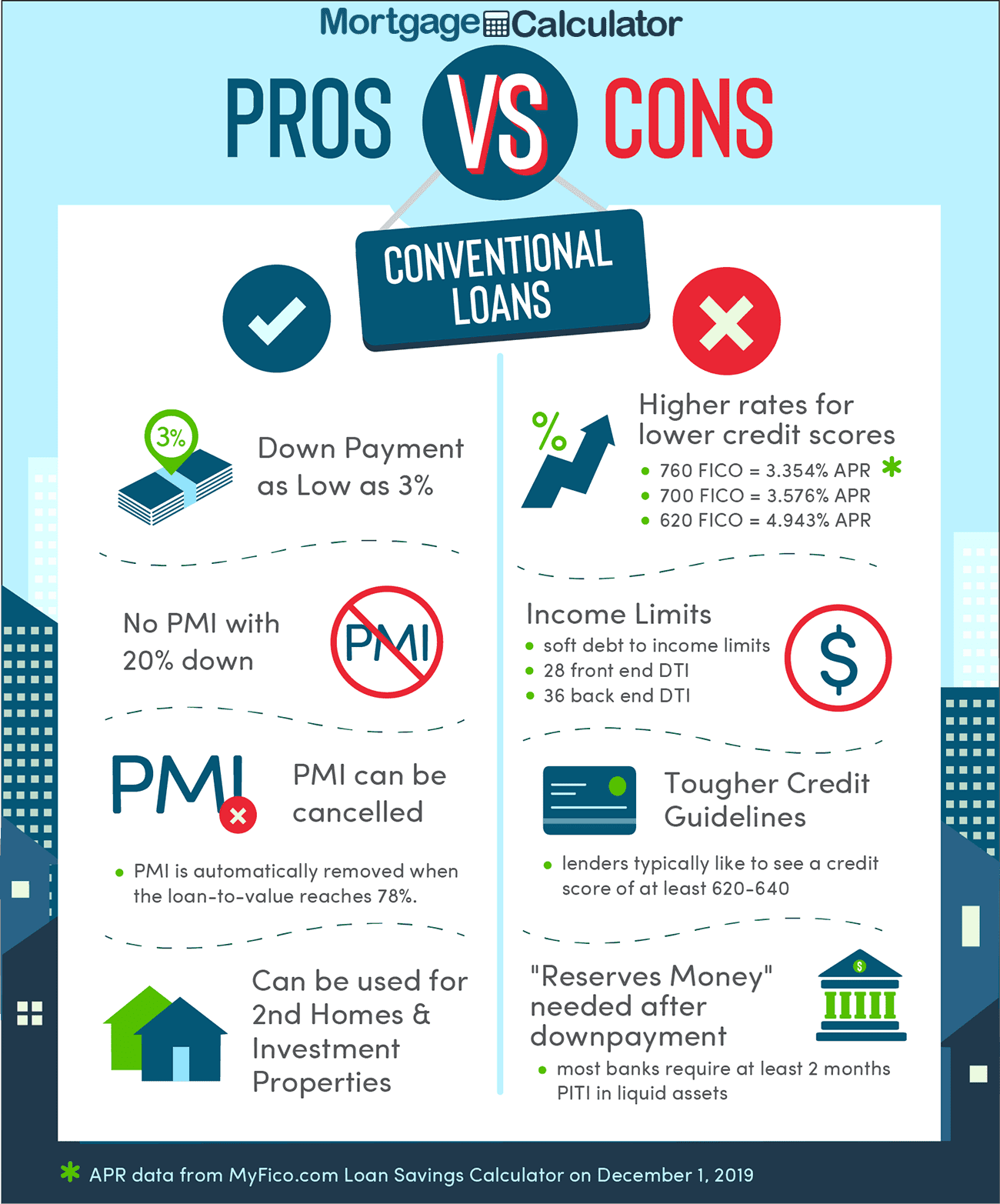
The home doesn’t meet FHA’s minimum property standards. FHA will not insure a mortgage for that house. Buyers must use cash or conventional financing instead.
Who usually handles FHA approval in a regular sale?
The Lender & Appraiser: When a buyer applies for an FHA loan, the lender orders an FHA appraisal. The FHA appraiser inspects the property to see if it meets FHA standards. If the property fails, the seller is usually asked to make repairs before closing. The Seller’s Role: In a traditional sale, the seller often does the repairs (if small, like missing railings, smoke detectors, peeling paint) so that the home qualifies for FHA. But in a fixer-upper or “as-is” deal, sellers refuse to do that.
Why is this important for your client?
First-time buyers (using FHA) They cannot buy this home unless they switch to conventional financing or cash. Even if they love the home, FHA won’t approve it. Investors Usually don’t use FHA anyway (it’s only for primary residences). They’re fine with conventional or cash.
In short:
Not FHA approved = FHA financing not allowed. Normally, the seller makes fixes so FHA approves, but here the seller is saying “no repairs, no FHA.” Best suited for conventional buyers with extra cash reserves or investors.