Real Estate License vs. Life Insurance License
(Active Income vs. Protection + Passive Income Strategy)
Jerry, you’re 20 years old. You have time on your side. The question is not just how to make money, but how to multiply money and protect it.
Let’s compare two professional paths:
1️⃣ Real Estate Career
What It Takes
75-hour pre-licensing course Fingerprinting & background check State exam Join a brokerage
Income Style
100% commission-based No deal = no paycheck 2–3 months average to close a transaction Active income (you must work to get paid)
Pros
High commission per transaction Unlimited earning potential Builds network & credibility Long-term wealth through personal investing
Cons
Inconsistent income Buyers may not close Time-intensive Market dependent
Reality:
Real estate is powerful, but it is self-employment. If you stop working, income stops.
2️⃣ Life Insurance Career
What It Takes
20-hour pre-licensing course Fingerprinting & background check State exam
Income Style
Commission-based Faster cycle compared to real estate Residual income potential Can build passive renewals
Understanding Insurance Products
1️⃣ Term Life Insurance
Pure protection Example: $1/day (~$365/year) 30-year-old could get approx. $500,000–$550,000 coverage Living benefits available with some carriers (critical, chronic, terminal illness)
Good for:
Income protection Family security Low-cost coverage
2️⃣ Whole Life (Fixed)
Guaranteed growth (example: ~4%) Stable, conservative Lifetime coverage
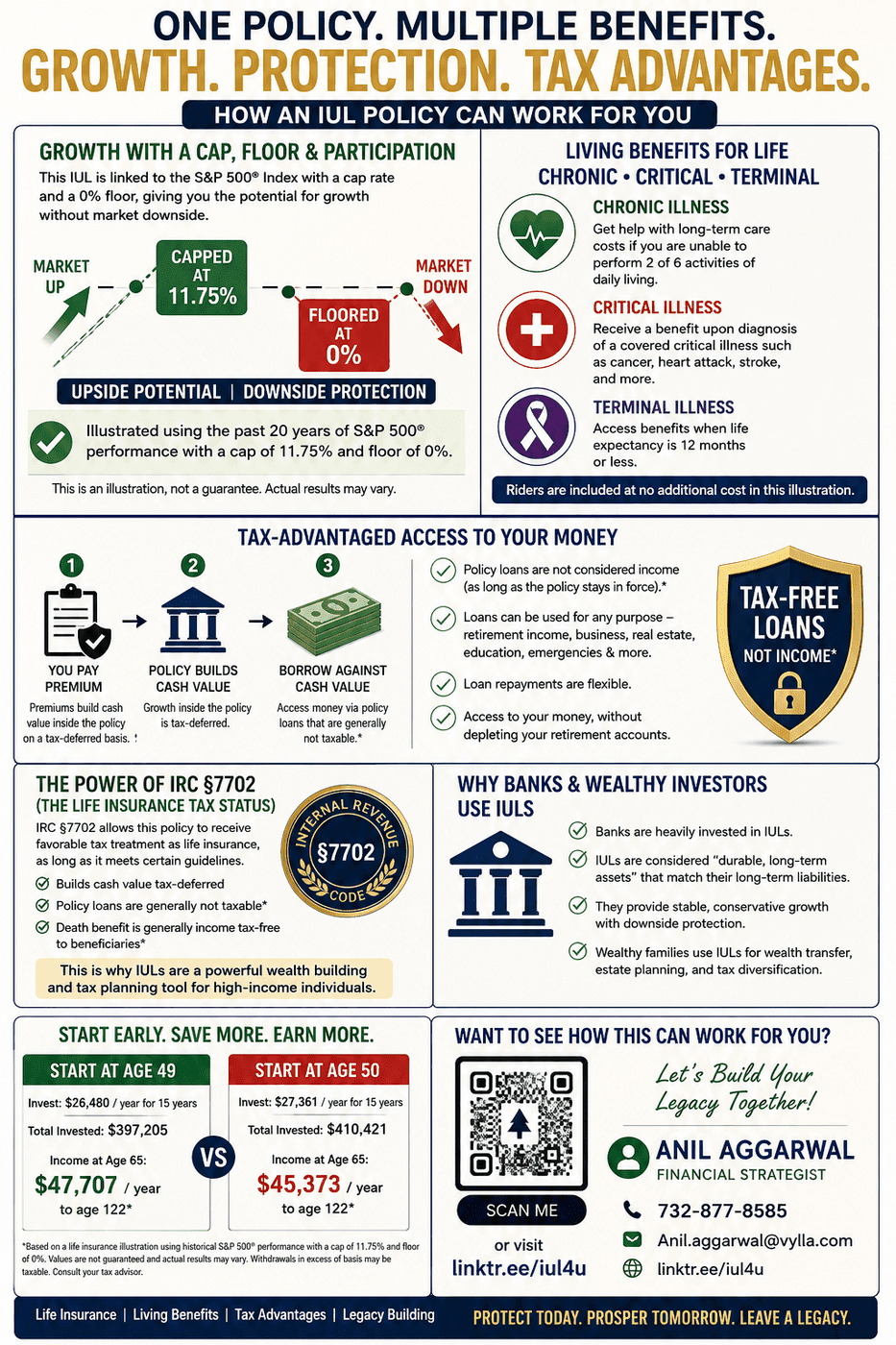
3️⃣ Indexed Universal Life (IUL)
Linked to market index performance Floor: 0% (no market loss credited) Cap: Example 11–12% (varies by company and policy) Not directly invested in the stock market Tax-advantaged growth if structured properly
Why People Like IUL:
Downside protection (no negative crediting years) Tax-advantaged loans No probate (beneficiary receives directly) Death benefit generally income-tax free
Example concept:
If someone contributes consistently and earns an average 7–8% crediting over long term, compounding can significantly multiply wealth over 30–40 years.
4️⃣ Annuities
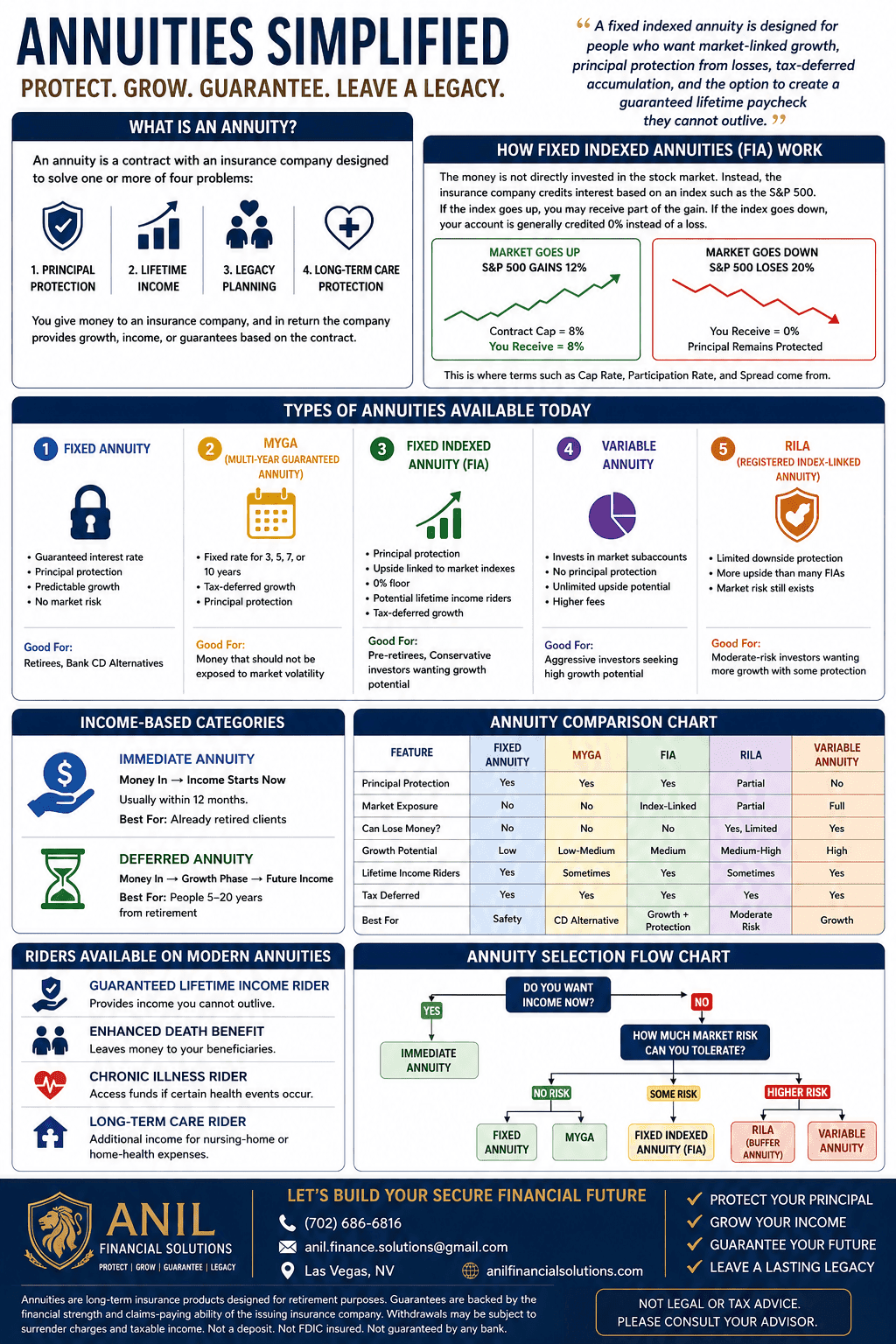
Often used for retirement rollovers (401k, IRA) Fixed or indexed options Designed for income planning
Big Financial Education Point
Stock Market
Market crash example: 2008 saw ~38% decline Direct exposure = direct risk
Indexed Insurance Strategy
No negative crediting (0% floor typical) Capped upside Tax-advantaged access if structured correctly
(Important: Every product has costs, fees, and suitability requirements.)
The Smart Strategy for a 20-Year-Old
Jerry doesn’t have to choose only one path.
Best Approach:
Get licensed (real estate or insurance) Start earning active income Protect income with term insurance Start long-term tax-advantaged compounding early Invest in real estate when ready
Time + Compounding + Protection = Wealth
Key Lesson
At 20 years old:
You don’t need to chase money. You need to build skill. Protect your future. Start compounding early.
The earlier someone starts at 20 versus 30, the difference at 60 can be hundreds of thousands of dollars.